Column · @themedicalalertcorner
Why a Medical Alert System Matters for Senior Safety in New Zealand
Understanding the Value of a Medical Alert System
When my grandmother turned 82, she insisted on staying in the family home in Christchurch. She had her garden, her book club, and a routine that kept her feeling independent. But we all worried. What if she fell while reaching for a tin on the top shelf? What if she became disoriented during a power cut? The answer came in the form of a simple wearable device she wore around her neck. That small pendant alarm gave her the confidence to carry on without constant supervision, and it gave our family real peace of mind. For seniors in New Zealand, choosing the right medical alarm can mean the difference between aging in place comfortably and having to move into assisted living.
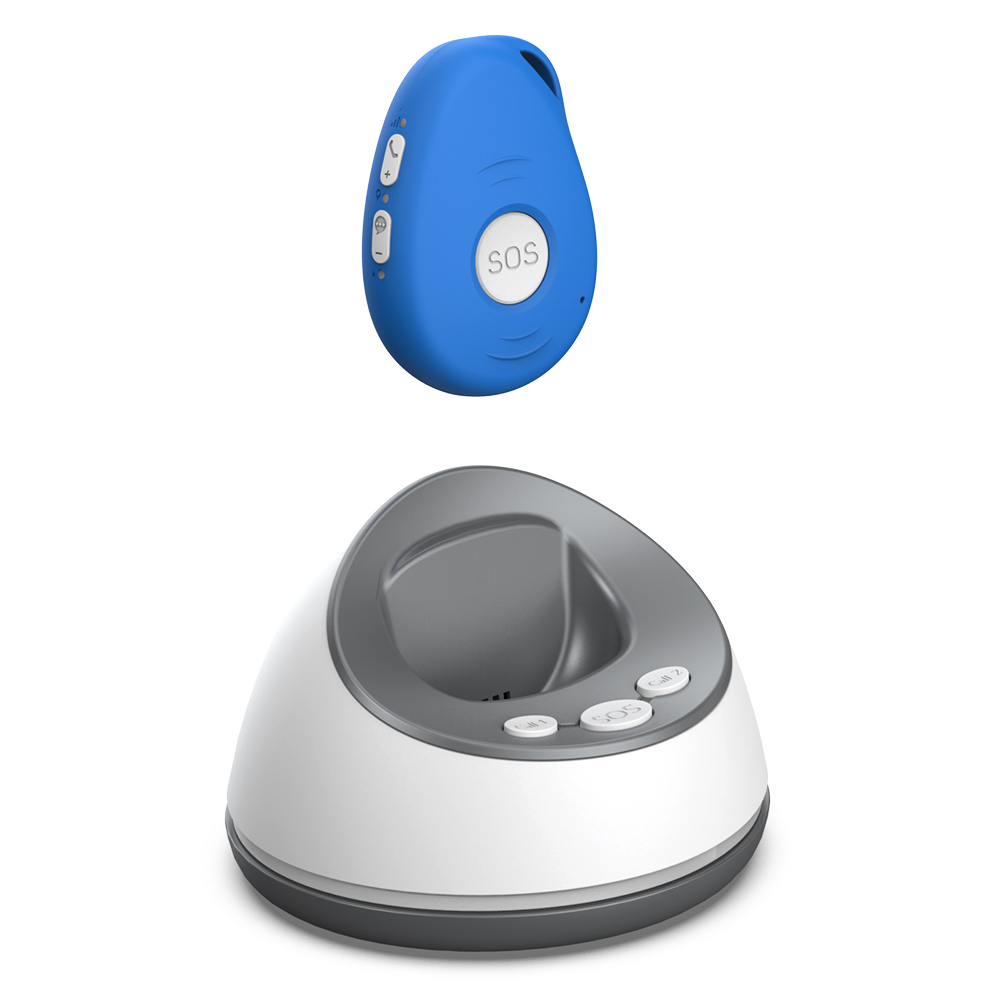
Many people use the term "Medical Alert" generically, but not all systems are the same. Some are basic emergency buttons that call a central monitoring service. Others, like those offered by Familyr, combine GPS tracking, fall detection, and two-way calling into a single waterproof pendant. The key is matching the device to the person's lifestyle. A mobile app can let a caregiver check on the user's location and battery life, which is a feature I wish we had when my grandmother first started using hers.
How a Medical Alarm Actually Works
A typical medical alarm system consists of a wearable device, often a pendant alarm or a wristband, that communicates with a base unit or directly with a cellular network. When the user presses the emergency button, the system places a call to a monitoring service or to designated family members. In more advanced models, the device itself can detect a fall automatically and initiate the call without the user needing to press anything. This automatic fall detection is critical because after a fall, a person may be unconscious or unable to reach the button.
I remember reading about a woman in Hamilton who lay on her kitchen floor for six hours after a fall before her neighbour found her. If she had been wearing a fall detection device, help could have arrived in minutes. The technology has evolved far beyond the old "I've fallen and I can't get up" stereotype associated with Life Alert. Modern systems are discreet, waterproof, and designed to be worn in the shower, which is actually where many falls occur. The two-way calling feature allows the monitoring service to speak directly through the pendant, asking if the user needs an ambulance or just help getting up. That direct voice contact reduces panic and ensures the right response is dispatched.
The Role of GPS Tracking in Senior Safety
For seniors who are still active outside the home, GPS tracking is a game-changer. My uncle, who lives in Dunedin, has early-stage dementia and occasionally wanders. His family equipped him with a pendant that includes GPS tracking, so if he does not return home at the expected time, his caregiver can locate him instantly through a mobile app. This feature not only protects him but also allows him to continue his daily walks, which are essential for his physical and mental health. In New Zealand, where rural areas and bush tracks can be remote, GPS tracking provides an extra layer of security that a standard medical alert cannot offer.

Some families worry about privacy, and that is a fair concern. But most modern systems allow the user to control when tracking is active. The device can be set to only transmit location when the emergency button is pressed or when a fall is detected. That way, the senior retains autonomy while still having a safety net. It is a balance that respects their dignity while keeping them safe.
Why No Monthly Fees Matter
One of the biggest barriers to adopting a medical alarm has historically been the ongoing cost. Many monitoring services charge a monthly subscription, which can add up to hundreds of dollars per year. For seniors on fixed incomes, that is a real obstacle. That is why the "no monthly fees" model offered by some providers, including Familyr, is so appealing. You buy the device once, and there are no recurring charges. The monitoring service is built into the system, often using cellular networks rather than landlines, which means no extra bills.
When my grandmother looked into getting a pendant alarm, she was put off by the monthly fees. She felt she was paying for a service she might never need. With a no-fee system, the upfront cost is higher, but over two or three years it works out cheaper, and there is no pressure to cancel a subscription if money gets tight. That kind of financial predictability helps seniors commit to using the device consistently.
Choosing the Right Wearable Device
Not every pendant alarm suits every person. Battery life is a major consideration. Some devices need charging every day, which can be a hassle for someone with arthritis or poor eyesight. Others, like the ones from Familyr, have long battery life measured in weeks, and they send low-battery alerts to both the user and their caregiver via the mobile app. Waterproof rating is another factor. A device that cannot be worn in the shower is almost useless, because falls in the bathroom are so common. Look for an IP67 or higher rating, which means it can survive immersion in water.
I have also seen pendants that are too bulky or have sharp edges, making them uncomfortable to wear under clothing. The best designs are smooth, lightweight, and come in neutral colours that do not scream "assistive device." Some seniors prefer a wristband style because it feels more like a watch. Others find the pendant easier to press in an emergency, especially if they have limited hand strength. It is worth trying both styles before committing.
Integrating a Medical Alert into Daily Life
A medical alarm is not just a piece of technology. It is a tool that enables aging in place. It lets seniors keep their independence while giving their family a way to respond quickly if something goes wrong. The device becomes part of the daily routine, like putting on glasses or a watch. Over time, the wearer forgets it is there, but the peace of mind remains.
Caregivers also benefit. Instead of calling every morning to check if their parent is okay, they can glance at the mobile app to see the device's status. If the battery is low, they get a notification. If the device is not moving for an unusual amount of time, they can check in. That kind of passive monitoring reduces the mental load on the caregiver while keeping the senior safe.
I have seen families argue about whether their parent "needs" a medical alarm. The senior often resists, feeling it marks them as frail. But framing it as a tool for independence, not a symbol of decline, changes the conversation. Explain that it is like a car's seatbelt: you hope you never need it, but you are glad it is there. Once they start using it, most seniors quickly appreciate the security it provides.
Emergency Response and 24/7 Support
When an emergency button is pressed, the speed and quality of the response matter. Some systems connect directly to a 24/7 support centre staffed by trained operators who can dispatch emergency services and notify family members. Others, like the family-monitored systems offered by Familyr, alert the user's chosen contacts directly. Both approaches have advantages. A professional monitoring service is ideal for seniors who live alone and may not have family nearby. Family-monitored systems work well when a relative lives close and can respond quickly.

Whichever route you choose, make sure the system is tested regularly. Press the emergency button once a month to confirm it connects properly. Check the battery life and ensure the wearable device is still fitting well. A medical alarm that sits in a drawer is no help at all.
Final Thoughts on Senior Safety
Aging in place is a goal many New Zealanders share. With the right medical alarm, it is also an achievable one. The technology has matured to the point where it is reliable, affordable, and easy to use. Whether you choose a simple pendant alarm or a full-featured device with GPS tracking and fall detection, the most important step is to start the conversation. Talk to your parents or grandparents about what they want. Show them the options. Let them choose the device that fits their life, and then help them set it up. The peace of mind it brings is worth the effort.